Graduate Residential Life
Graduate Residential Life is an in-house support network that fosters a vibrant residential community by developing programs and events, supporting student executive boards and house governance, and providing individualized support to students.
MIT has eight unique graduate residential life communities governed by student volunteers, who work together to create engaging events and educational opportunities throughout the year. From larger residential buildings to smaller communities, MIT has several options that allow you to create your own experience. Graduate Residential Life is here to support you on this journey, whether it’s navigating life in a new environment, balancing academics, or managing your personal life.
Grad Res Life @ MIT
You’re not just part of the MIT community—you are elemental to it.
MIT is exciting, challenging, and fast-paced. While graduate students are exceptional problem-solvers, many also find it difficult to build community or know where to turn for support. We offer a series of programs and events that will help you discover the people, resources, and opportunities that can make your graduate experience richer, healthier, and more connected.
Grounded in the MIT Elements of Community
Our programs are inspired by the Elements of Community—Connection, Responsibility, Perspectives, Respect, and Growth—which serve as guideposts for building a welcoming and inclusive graduate experience.
Upcoming Grad Res Life Events
Tuesday Morning Perk-Up!
Join Naomi & Nelson for a fresh start to your day! Connect, Ask, Relax… It’s your time!

Motivate & Move
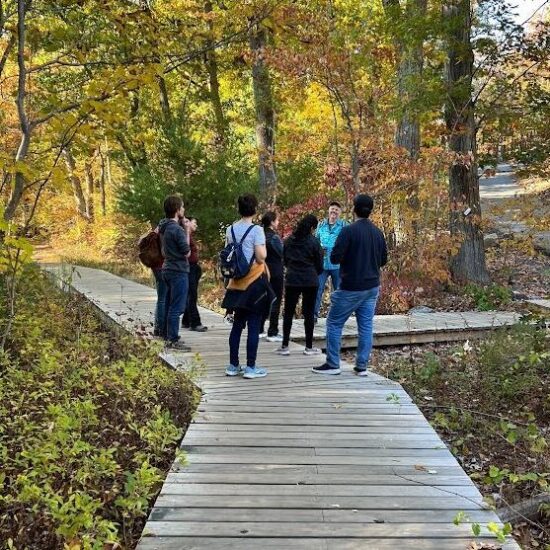
Join us every Tuesday as we start the day off right with a morning walk where you can learn about MIT resources, connect with new people & see new places.

House Governance
Each residence has a Head of House and student-led executive board to develop events and educational opportunities to enhance your MIT residential experience. Heads of House help the executive boards build the residential community through programming and events.
Heads of House are also an excellent support resource to help you navigate all the things MIT has in store for you and can provide advice, connections to resources, and more.
Want to Get Involved?
Volunteering to be on an exec board is a wonderful chance for you to help build a community, make friends, and decide what amazing programs will be put on in the house. We encourage students to volunteer for at least one house event to get a sense of the community and its values. Additionally, if you have ideas for programs or want to support the efforts in your house, contact your Heads of House!
Resources
Whether you’re returning to campus after time in the workforce, or coming straight from an undergraduate program, living in a shared community can be an enjoyable experience if you go into it with an attitude of mutual respect, good communication and shared expectations. Here are some questions to ask yourself as you move into your new home:
- What are your expectations of your roommate or suitemate?
- How do your actions impact your roommates, and how do their actions impact you? Where are you each willing to make compromises to respect the other person, and where are your firm boundaries?
- Think about your previous experiences living in campus housing or an apartment with friends. What was it like? What did you learn? What would you do differently?
- What do you want your living space to be like? Study space, hangout space, a mixture of both.
- How do you communicate your needs with others?
- How do you approach conflict if one should arise?
Tips on building relationships with your suitemates:
- Start day one off on the right foot and invite your roommates to have coffee, tea or a meal together.
- Play a “get to know you” game
- Ask questions about likes and dislikes. Asking questions will help you start to figure out how you will work together to make the space yours.
- Be specific when discussing mutual expectations for shared spaces to set a common ground since there are likely individual differences in what people consider “clean,” “quiet,” or “appropriate.”
Remember that you do not need to be BFFs with your roommates, but you need to respect each other. Do you need help with the first meeting? Do you need help if a conflict arises? Reach out to the staff at Graduate Residential Life (emails below) for support.
If you are interested, we also have a roommate/suitemate agreement for you to use.
Disagreements are a normal part of living with others. Conflict isn’t a sign that something is wrong—it can strengthen communication, build trust, and create clearer expectations when handled respectfully.
Before the Conversation
Take a moment to ask yourself:
- What is the issue?
- How is it affecting me?
- What outcome am I hoping for?
- What solutions could work for both of us?
Communicate with Respect
- Avoid assumptions. Ask questions to understand your roommate’s perspective.
- Focus on solutions, not blame. The goal is to resolve the issue—not to “win.”
- Use “I” statements. Example: “I feel distracted when it’s noisy late at night because I need quiet to study.”
- Practice active listening. Listen to understand and acknowledge your roommate’s perspective.
Work Toward a Resolution
- Be open to compromise.
- Consider multiple solutions.
- Focus on moving forward rather than revisiting every detail.
Approaching conflict with respect, curiosity, and collaboration helps create a healthier and more positive living environment. Please use our Conflict Resolution and Guided Reflection Worksheet if you would like.
Your house’s executive boards and heads of house will plan several programs during the first weeks of moving in. We encourage you to participate in at least one or two events to meet people.
In addition to in-house programming, Graduate Residential Life also runs several programs throughout the year as part of a Graduate Student Life series. These events range from book clubs and children’s programs to educational lectures, faculty in residence events, and events at one of the two pubs on campus, as well as craft events. We look forward to meeting you at one of our programs.
For a list of events, please visit your house website, sign up for house-wide emails, or email the executive board for more information.
Team
Meet the Team
Naomi Lane

Nelson Feliciano